
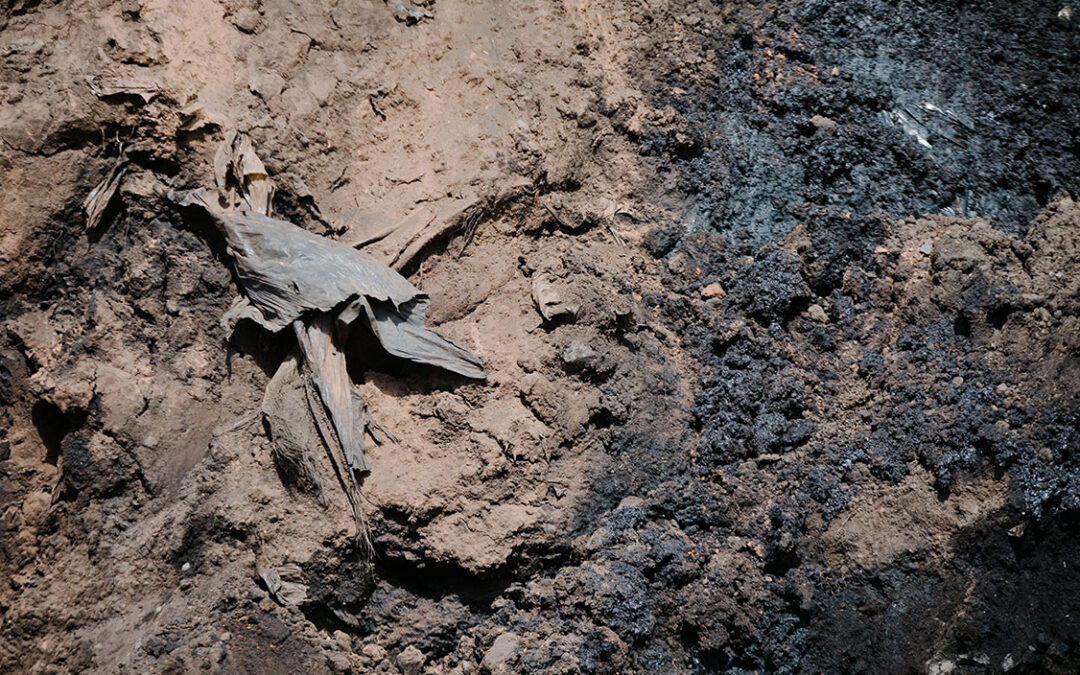
Per- and polyfluoroalkyl substances (PFAS) are among the most persistent and complex contaminants in the environment. These so-called “forever chemicals” resist heat, water, and degradation, the very traits that make them useful in manufacturing also make them incredibly difficult to remove once released.
PFAS are now found in contaminated soil, groundwater, biosolids, and industrial waste across Canada. The growing consensus among scientists and regulators is clear: landfilling PFAS-contaminated materials only delays the inevitable.
The Problem with PFAS in Landfills
Traditional landfill containment methods were never designed to handle chemically resilient compounds like PFAS. While liners and leachate systems can delay migration, they cannot stop it indefinitely.
Once deposited, PFAS compounds can:
- Leach into groundwater through compromised or aging containment systems.
- Volatilize into the air, contributing to atmospheric deposition.
- Re-emerge decades later through landfill leachate treatment streams.
Landfilling PFAS may appear compliant in the short term, but it creates a long-term accountability issue for the landfill, waste generators, regulators, and communities. Every tonne of contaminated material buried today becomes a potential liability tomorrow.
Why Destruction Is a Sustainable Option
The environmental community increasingly agrees that PFAS must be destroyed, not stored. That means applying technologies capable of breaking the carbon-fluorine bond, one of the strongest in chemistry.
Thermal desorption has emerged as a proven, commercially available method for the destruction of Perfluorooctane sulfonate (PFOS), a specific compound within the class of PFAS compounds. The process involves heating contaminated soil in a controlled environment to separate PFOS compounds from the solid matrix. The vaporized contaminants are then directed into a secondary combustion system operating at temperatures exceeding 1100°C, where they are broken down at the molecular level.
When properly engineered, this process achieves:
- PFOS destruction with verified emissions control.
- No secondary waste generation or leaching risk.
- A reusable soil output suitable for land reclamation or restoration.
This approach aligns with the principles of environmental accountability, ensuring contamination is eliminated, not relocated.
Closing the Loop on Accountability
Waste accountability does not end at removal. Under environmental regulations, responsibility for PFAS-contaminated materials remains with the generator until destruction is documented.
That is why forward-thinking organizations are moving away from disposal-based models and toward treatment-based outcomes, supported by full traceability, thermal verification, and documented proof of destruction.
By incorporating PFAS destruction into contaminated soil management programs, companies protect themselves from future liabilities and demonstrate tangible environmental responsibility.
From “Forever Chemicals” to Reusable Resources
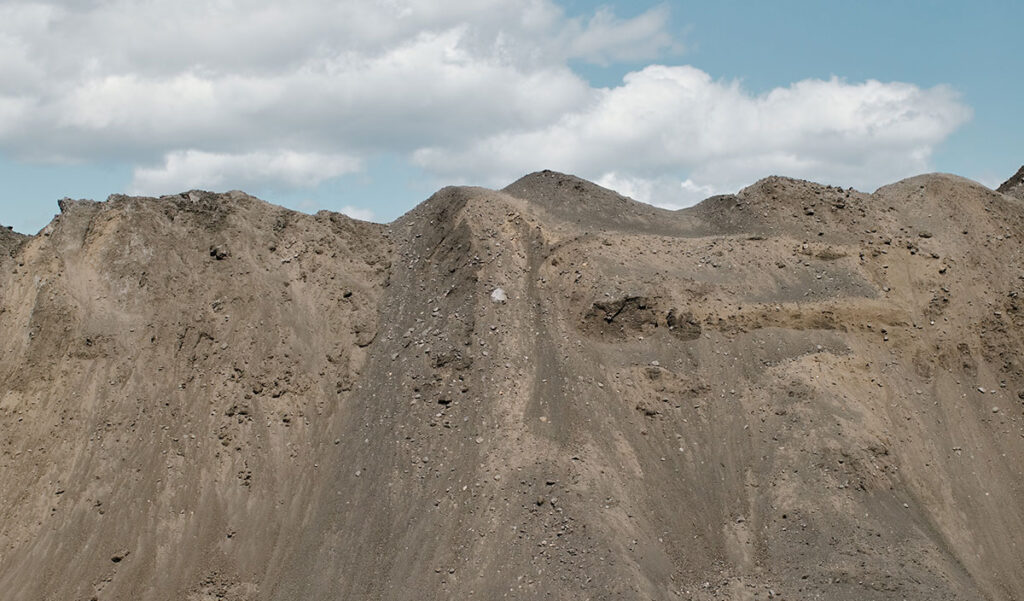
One of the most promising outcomes of advanced thermal treatment is the recovery of clean, reusable product. After PFAS and other organics are destroyed, the treated material can often be used in:
- Mine reclamation projects.
- Land restoration and grading work.
- Infrastructure and construction fill.
This approach not only reduces landfill dependence but also supports circular economy, principles converting contaminated materials into safe, beneficial resources.
The Cost of Doing Nothing
Leaving PFAS-contaminated soil untreated is not a neutral act. The costs compound over time:
- Increased long-term cleanup obligations.
- Potential for groundwater contamination and regulatory enforcement.
- Reputational damage linked to environmental negligence.
Preventing PFAS from entering landfills today is the most cost-effective way to protect both the environment and organizational integrity.
The low-risk way to manage PFAS is to destroy it, not bury it.
A Responsible Path Forward
Keeping PFAS out of landfills is not simply an environmental ideal, it is becoming a regulatory, financial, and reputational imperative.
Organizations managing contaminated soil, PFAS-impacted materials, or industrial waste streams can benefit from exploring verified destruction technologies and treatment-based accountability models that prevent long-term liability.
If your team is reviewing options for PFAS management or soil treatment compliance, consider consulting with experts experienced in thermal desorption. It is a conversation that can shape not only your next project, but your organization’s environmental legacy.